
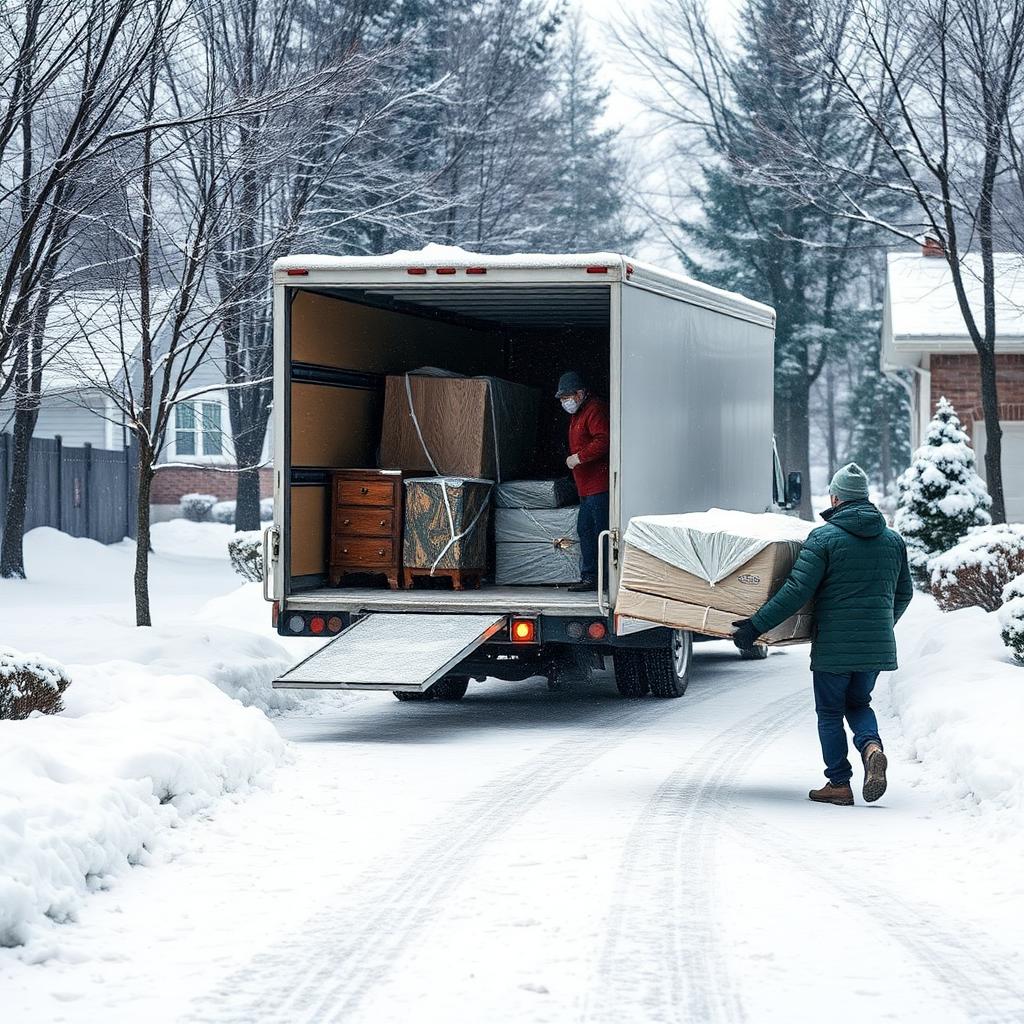
Everyone's first question when they call us in January is some version of: is it even possible to move right now? Absolutely yes. We move families every week from November through March. Winter moves in Sioux Falls are actually some of our smoothest jobs — the streets are quieter, movers are more available, and rates are lower. But winter moves reward preparation and punish the unprepared. Here's what we've learned from three decades of moving South Dakotans through snow, ice, and single-digit windchills.
Why winter moving is underrated
A few genuinely good reasons to move in winter, even in Sioux Falls.
First, price. Peak moving season is May through mid-September. In winter, most moving companies have real capacity, which means you can often book the day you want at a lower rate. We routinely discount 10–20% on off-peak dates compared to a June Saturday.
Second, timing flexibility. In summer, if it rains on move day, you're stuck — you can't reschedule because every day is booked. In winter, if there's a blizzard warning, we can usually shift you by a day or two without disrupting anything. The whole system has more slack.
Third, real-estate timing. If you're chasing a school-year transition or a January closing, winter is just the season you're moving in. There's no 'wait for June' option, and that's fine — we've got you.
The floor problem: solved with a $15 pack of runners
The single biggest risk of a winter move is what happens to your floors. Snow, salt, and slush get tracked in on eight sets of boots plus every piece of furniture, and hardwood, laminate, and light-colored carpet all suffer.
The fix is simple and cheap: buy a pack of red rosin paper or, for carpet, a roll of self-adhesive floor protection film. Roll it out on all traffic paths in both houses before the crew arrives. Our crews carry moving blankets and floor protection, but a full roll of self-adhesive film is more comprehensive and it eliminates the question entirely. This one $15 purchase has saved more floors than any other winter tip we can offer.
For the entryways specifically, use a heavy-duty mat inside and out. Ask your crew to knock boots off at the door — they will, but a mat catches what boots miss.
Clear the paths — actually clear them
Move day in winter means shoveling and salting the day before, and again the morning of. This is not optional.
The paths that matter: driveway from the street, walkway to the front door, any secondary entrance (garage, side door) the crew might use, and — most-forgotten — the path from your parking spot to the door at the new place. Shovel wide enough that two people carrying a dresser can walk side by side without stepping into snow. This is wider than the walking path you'd shovel for daily use. Aim for 4 feet minimum.
Salt or ice melt on all paths, especially anywhere there's a slope. Slips on ice are the number-one cause of injury on winter moves and they're 100% preventable. A $12 bag of ice melt is cheap insurance.
If you're in a driveway where the truck will park on a slope, salt the parking area before we arrive. Trucks can slide if the driveway is icy, even in low gear.
Protect the furniture from cold and moisture
Wood furniture doesn't love extreme cold — extended cold exposure can crack finishes, and moisture from snow melting on a warm truck creates condensation that stains fabric. A few precautions handle this.
First, everything gets fully wrapped in moving blankets before it leaves the house. This is standard for us any time of year but it's especially important in winter. Blankets insulate against temperature swings and absorb any moisture.
Second, keep the truck moving. The longer wood furniture sits in a cold truck without heat, the more risk of cold-shock when it hits a warm interior on the other end. Winter moves should be as time-compressed as possible: load, drive, unload, done. This is one reason we bring larger crews on winter moves — to keep the load and unload phases short.

Third, don't unpack immediately after arrival. Let wood furniture warm up to room temperature for 24–48 hours before opening drawers, sitting on chairs, or setting heavy items on tables. This lets the wood equalize slowly and prevents cracking. Same for electronics — let a cold TV sit in the room for a few hours before plugging in to avoid condensation damage inside the electronics.
Utilities: heat at both ends, day of
It sounds obvious, but every winter we get a call from a customer who forgot to schedule heat at the new place. Turning on utilities the day of a winter move is a disaster; call the utility company two weeks before and confirm the account will be active by 8am on move day.
Same at the old place: keep the heat on right up to the moment you hand over the keys. Turning off heat overnight in a South Dakota January can freeze pipes in a matter of hours, and the cost of a burst pipe dwarfs any savings from a night without gas.
Set the thermostat at the new house to 68 the night before your arrival. A warm house is dramatically more comfortable to unpack in than a house that's been at 55 all week.
The wardrobe question
Dress in layers you can shed indoors. The physical work of moving generates a lot of heat; you'll be sweating in a parka within ten minutes. A base layer, a mid layer, a shell you can take off, and warm gloves you can grip through is the right recipe. Steel-toed boots or heavy-duty work boots with real tread — sneakers on ice are how people get hurt.
Have a set of dry clothes waiting at the new place. There's nothing worse than finishing a move soaked and needing to change immediately.
The weather curveball
Sioux Falls winters occasionally throw a real punch — a blizzard, a whiteout, temperatures below zero with dangerous wind chill. When that happens, we work with customers to reschedule to the next safe window. No move is worth a crew injury or damaged property.
If a big storm is forecast, we watch it the day before and call you if we recommend shifting. Our threshold: sustained wind chills below -20°F, active blizzard conditions, or road-closure advisories. Below those, it's business as usual — we just work smarter. Above them, we shift 24 or 48 hours out and everyone stays safe.
The tips we give every winter customer
Hot coffee, hot chocolate, or hot cider on move day is a small kindness that goes a long way. We're not asking for it, but a warm drink halfway through the load is one of those things a crew genuinely remembers. Same for a warm place to take a five-minute break out of the wind.
Snacks help too. Winter physical work burns calories faster than summer work — the body is doing thermal maintenance on top of the moving effort. A few granola bars or a plate of cookies goes a long way.
Tip your crew a bit better in winter. Same crew, harder day. It's noticed and it's appreciated.
The bottom line on winter moves
Winter moves in Sioux Falls are a real option and often a smart one. You save money, get more scheduling flexibility, and — with the right prep — end up with an experience just as smooth as a summer move. Prep the floors, clear the paths, protect the furniture, keep the heat on, dress smart, and let a good crew handle the rest.
We move every week of every winter. If your timing lands between November and March, don't let the weather push you into a rushed decision. Give us a call, we'll walk you through the specifics for your dates, and we'll show up ready.
Planning a move in Sioux Falls?
Get a free written quote in under an hour — no phone tag, no pressure.
Get a free quote